Fly Tying Materials
Tungsten Beads: The Ultimate Guide for Fly Tying Weight and Sinking
Discover why tungsten beads are a fly-tier’s best friend—high density, non-toxic, and perfect for nymphs, streamers, and Euro-nymphing techniques.
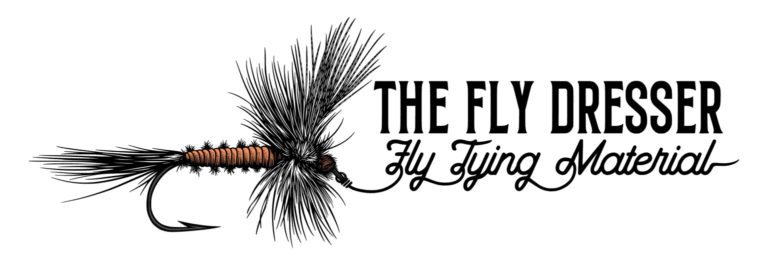
Discover why tungsten beads are a fly-tier’s best friend—high density, non-toxic, and perfect for nymphs, streamers, and Euro-nymphing techniques.

Learn how lead wire adds weight to flies, plus eco-friendly alternatives like non-lead round wire and dumbbell eyes for sustainable fly dressing.
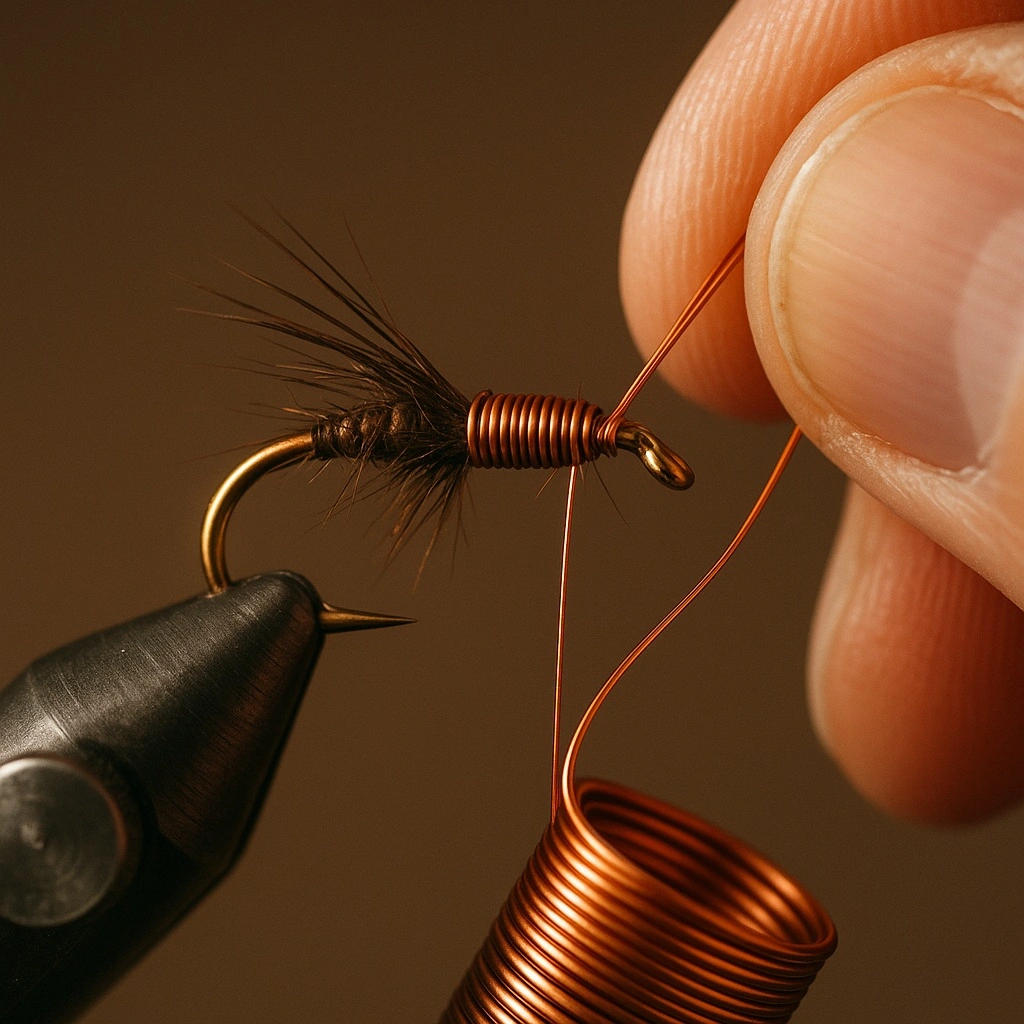
From ribbing nymphs to weighting streamers, copper wire is a versatile material. Explore sizes, colors, and lead-free options.
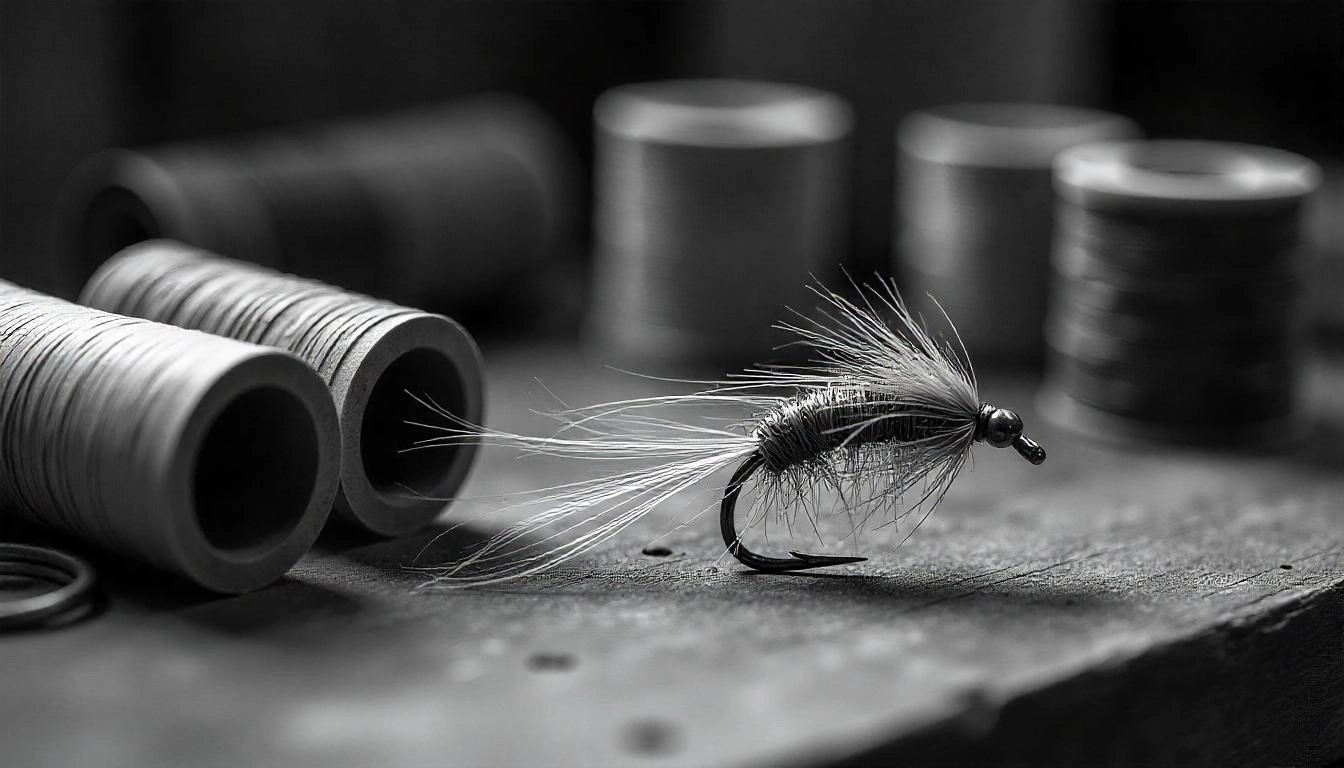
Tinsel adds flash and movement to flies. Compare Mylar, holographic, and metal tinsels for ribbing, wings, and attracting fish.
Scud skin’s stretchy, translucent texture creates lifelike shellbacks. Learn sizing, colors, and ribbing techniques for scud flies.
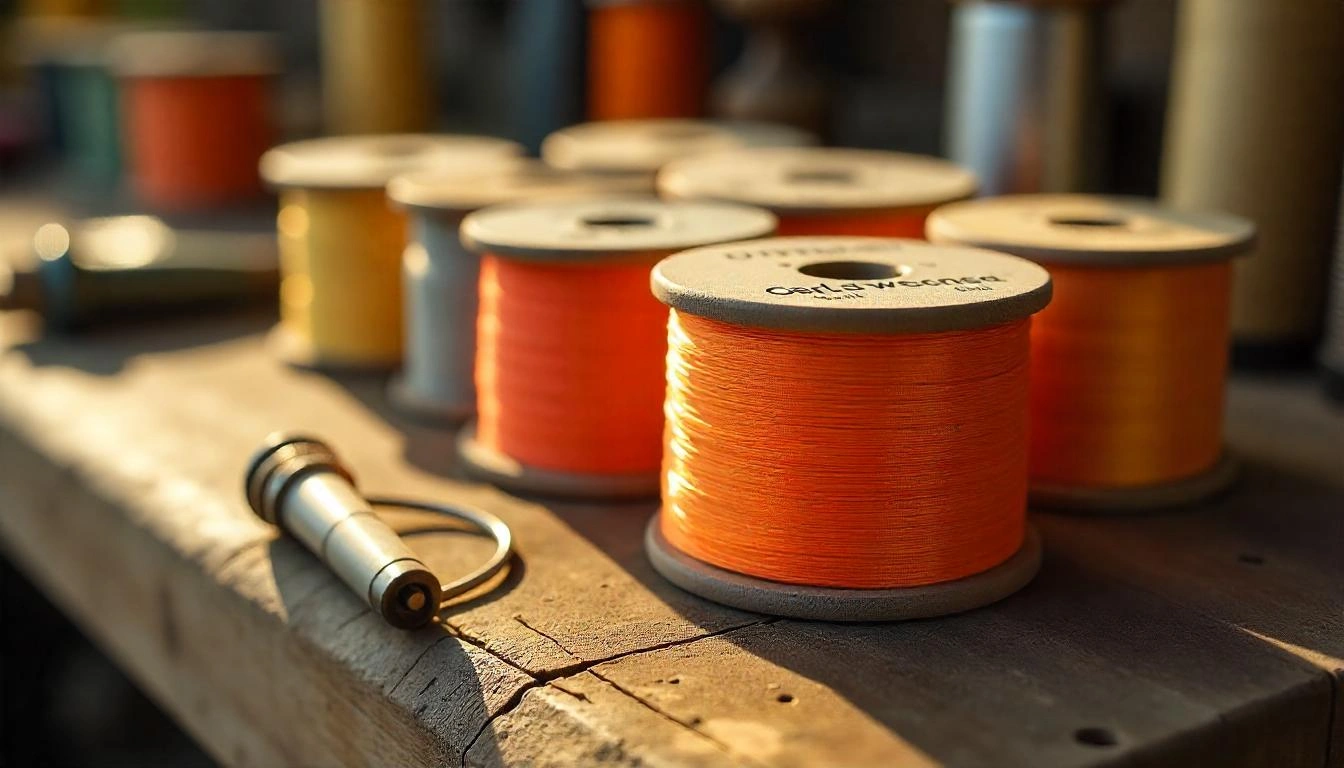
Thread is the backbone of fly tying. Compare nylon, polyester, and GSP threads for strength, durability, and specific fly patterns.
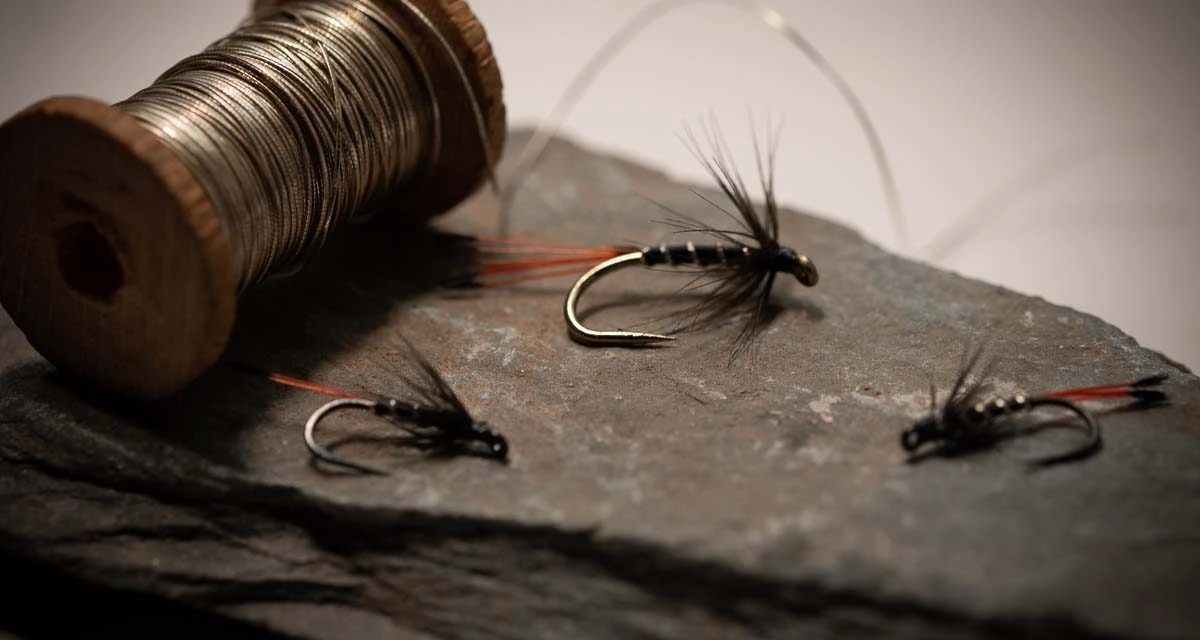
From #28 dry flies to 4/0 saltwater hooks—choose the right hook material, size, and sharpening method for your fly patterns.

Silk thread like Ephemera offers thinness and wax compatibility for classic flies. Explore its natural origins and modern applications.
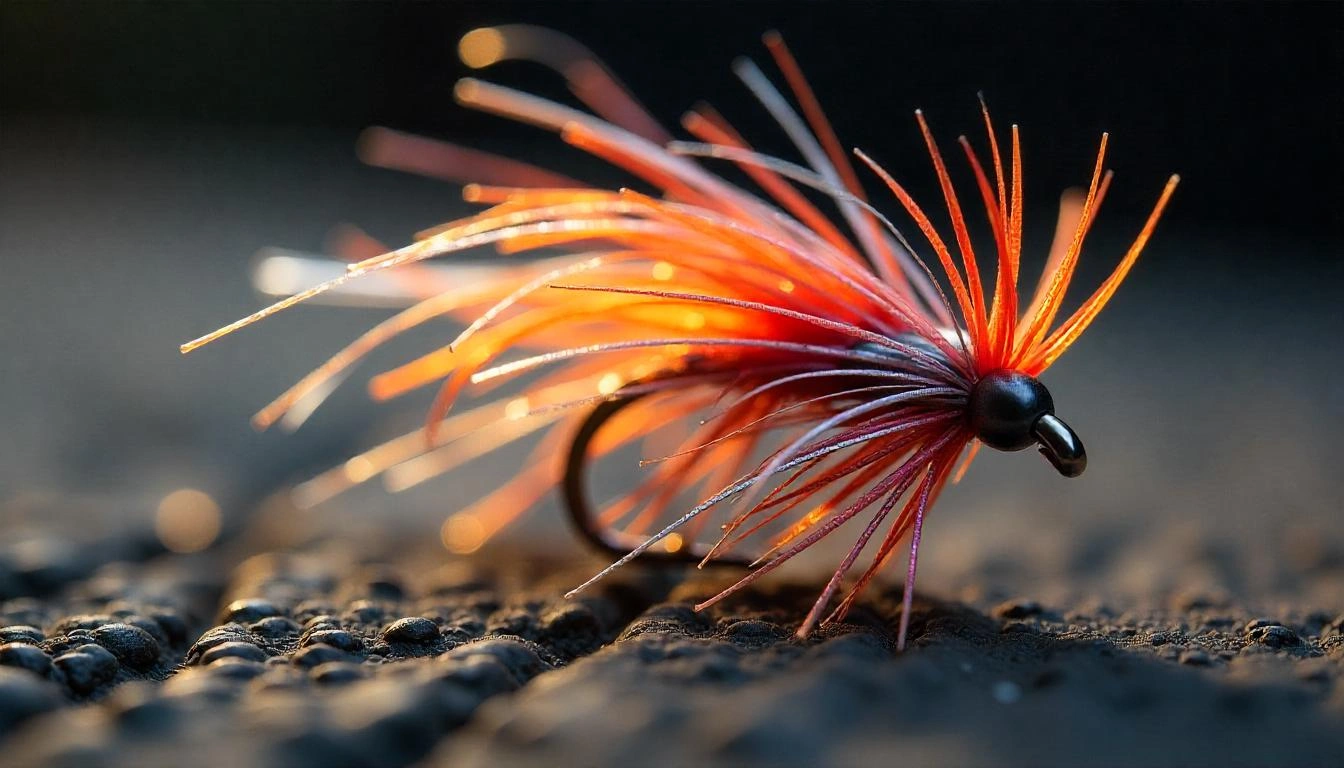
Synthetic flash mimics fish scales and insect sheen. Discover Flashabou, holographic options, and how to incorporate them into flies.

Chenille’s soft, fuzzy texture is perfect for fly bodies. Compare standard, ultra, and stubble chenilles for different patterns.

Explore nylon, polyester, and GSP yarns for fly tying—learn denier sizes, specialized types like McFlyfoam, and their roles in nymphs, dry flies, and streamers.

Fly dressing materials like capes, hackle, CDC, pheasant, and marabou are all types of feathers used for creating realistic and effective fly patterns.
