
In fly dressing, I’ve learned that it’s not the color that convinces a fish, it’s the shape and proportion of the fly as it moves through light and water. A fish doesn’t see our creations in vivid detail; it sees a form, a rhythm, and a suggestion of life. That’s what makes a fly believable.
These images are meant to stimulate the dresser, a focus on balance, silhouette, and how the fly sits or drifts in its element. Color adds the final touch, but it’s the structure and motion that truly speak to the fish.
For me, the art of fly dressing isn’t about decoration, it’s about understanding the language of water and instinct, and creating something that feels alive within it.
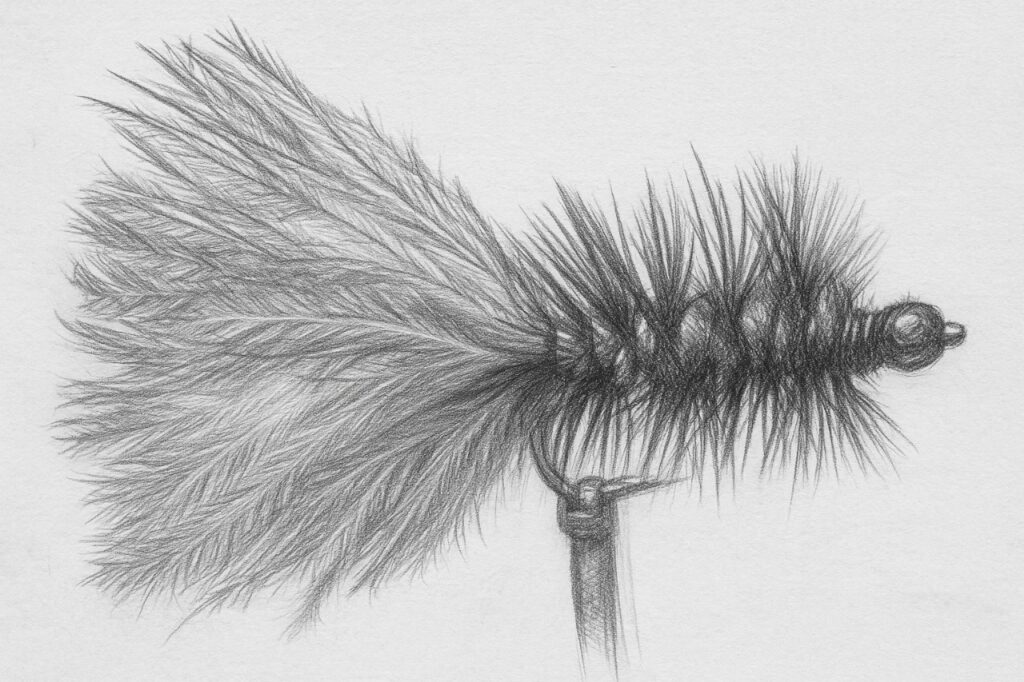
A timeless and versatile fly, the Woolly Bugger is a favorite among anglers for its lifelike movement and effectiveness in both still and running water. Imitating leeches, baitfish, and nymphs, it’s tied using marabou for the tail, chenille for the body, and palmered hackle for movement — often with a wire rib for durability and a bead or thread head for balance. A true essential in any fly box.
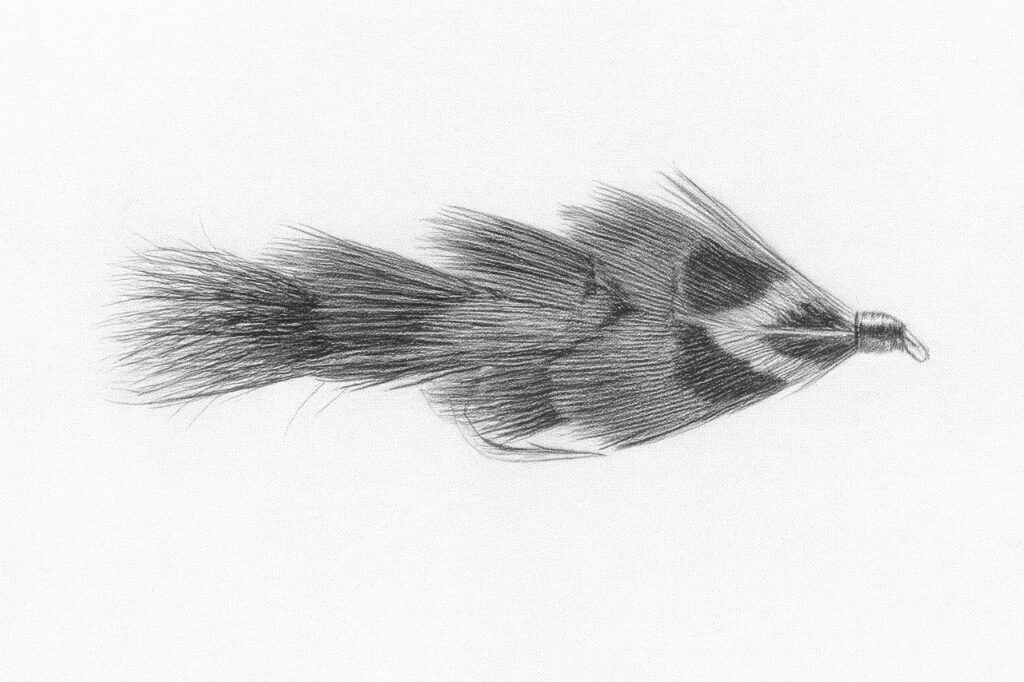
A legendary New Zealand streamer, the Miss Simpson is renowned for its effectiveness on trout in both rivers and lakes. Designed to imitate small baitfish, it’s tied with a brown squirrel tail wing, yellow or orange chenille body, and gold tinsel rib, finished with a brown hackle collar. Its natural profile and subtle flash make it a proven favorite for targeting large, wary fish.
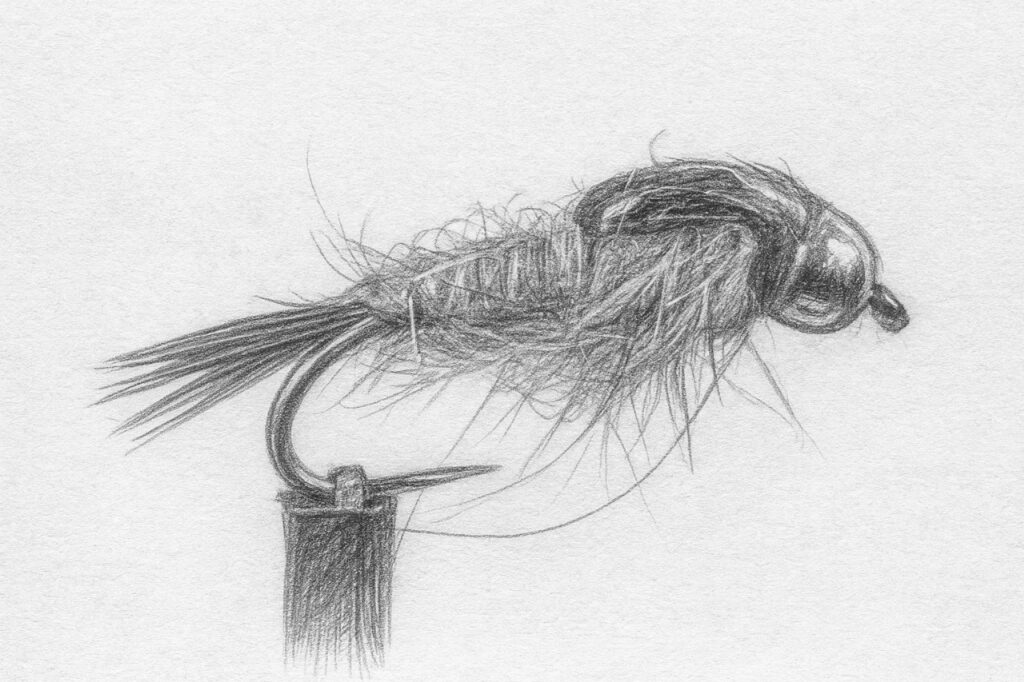
A proven classic, the Hare’s Ear Nymph is an essential pattern that imitates a wide range of aquatic insects, especially mayfly nymphs. Its buggy, natural appearance makes it irresistible to trout in all waters. Tied with hare’s mask dubbing for the body, gold or copper ribbing, guard hairs for legs, and often a bead head for weight, it’s a reliable choice year-round for both still and running water.
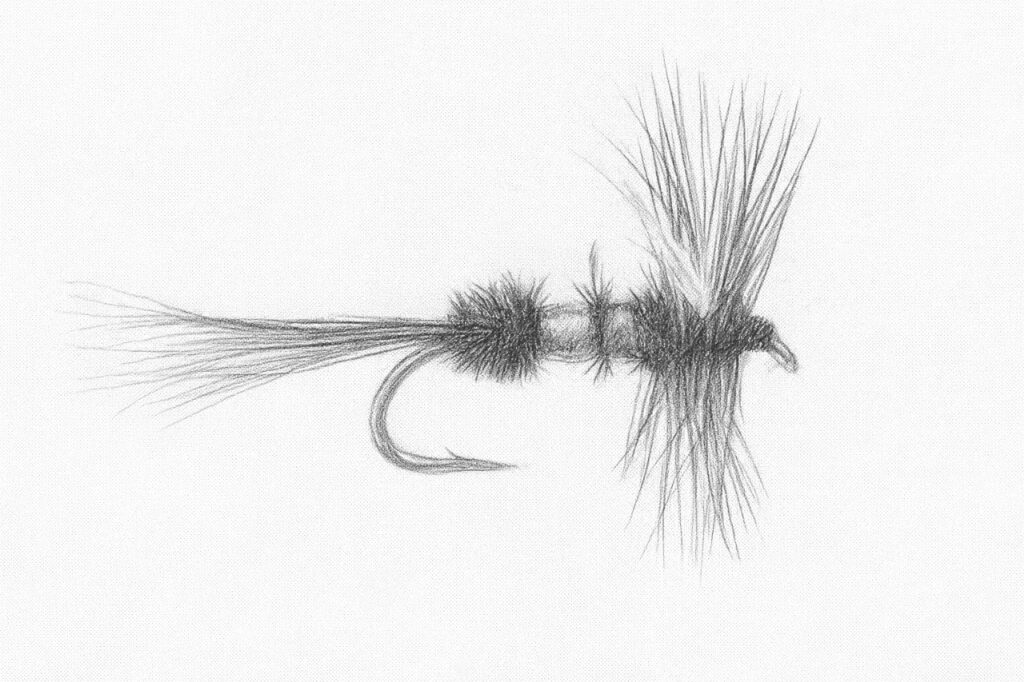
A true classic among dry flies, the Royal Wulff is celebrated for its visibility, buoyancy, and ability to attract fish in fast-moving water. Designed to represent a wide range of terrestrial and aquatic insects, it’s tied with moose hair tail, peacock herl and red floss body, brown hackle, and white calf tail wings for superior floatation. A bold, reliable choice that consistently brings trout to the surface.
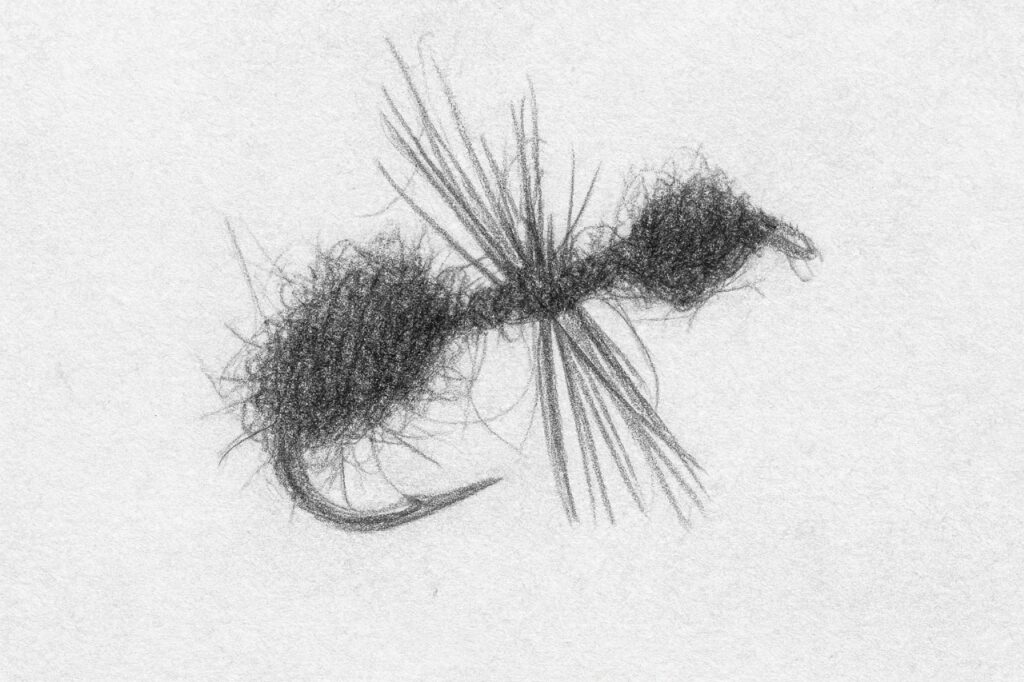
Simple yet incredibly effective, the Ant Fly is a must-have terrestrial pattern that imitates flying or crawling ants — irresistible to trout during the warmer months. Its segmented body and natural profile sit perfectly in or on the surface film. Tied with two dubbed or foam body sections, hackle for legs, and fine thread for segmentation, it’s a go-to choice for delicate summer presentations when fish are feeding on small terrestrials.
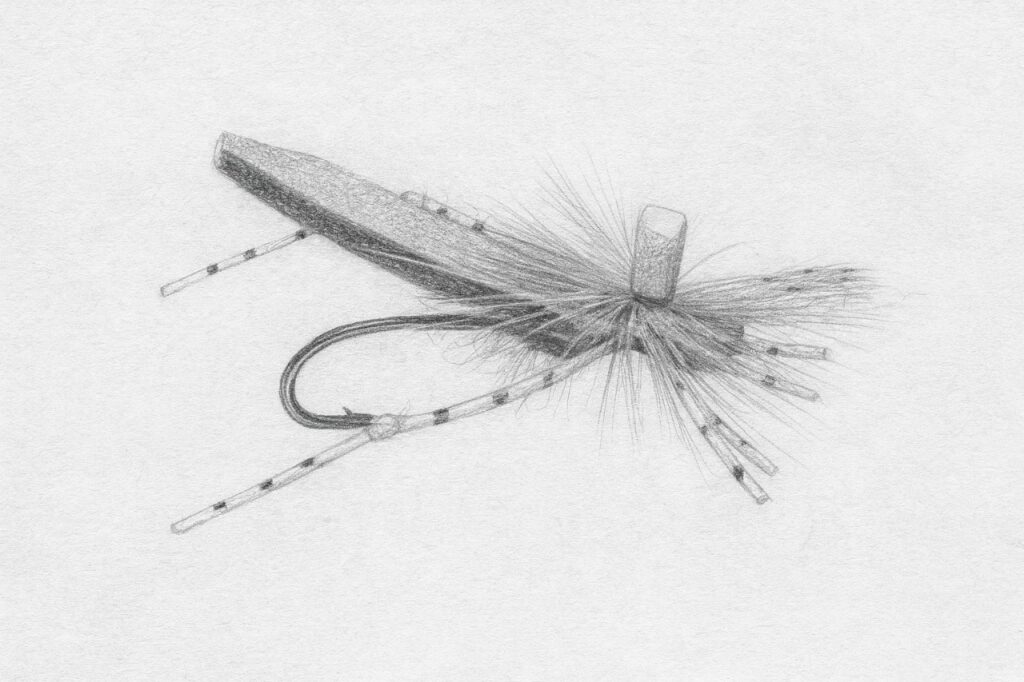
The Hopper Fly is a classic terrestrial pattern designed to imitate grasshoppers that often find their way onto the water’s surface during summer. Its buoyant foam body and lively rubber legs create a realistic profile and movement that entice aggressive strikes. Tied with foam for the body, rubber legs, deer hair or hackle for added floatation, and a bright indicator post for visibility, it’s perfect for fast water or windy days when hoppers are active.
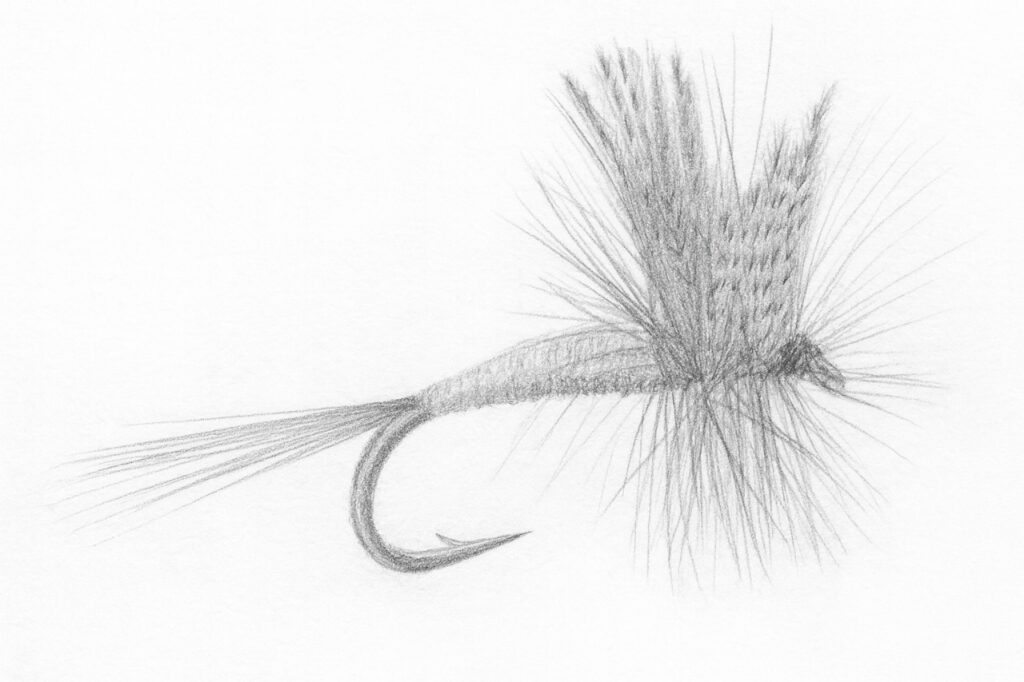
The Mayfly is an elegant and highly effective dry fly pattern that imitates the adult stage of the mayfly, a prime food source for trout. Fished on the surface, it’s perfect during hatches when fish are rising eagerly. Tied with fine dubbing or thread body, cock hackle for the tail and collar, and upright split wings of duck or CDC, it floats delicately, mimicking the natural insect’s poise and drift with precision.
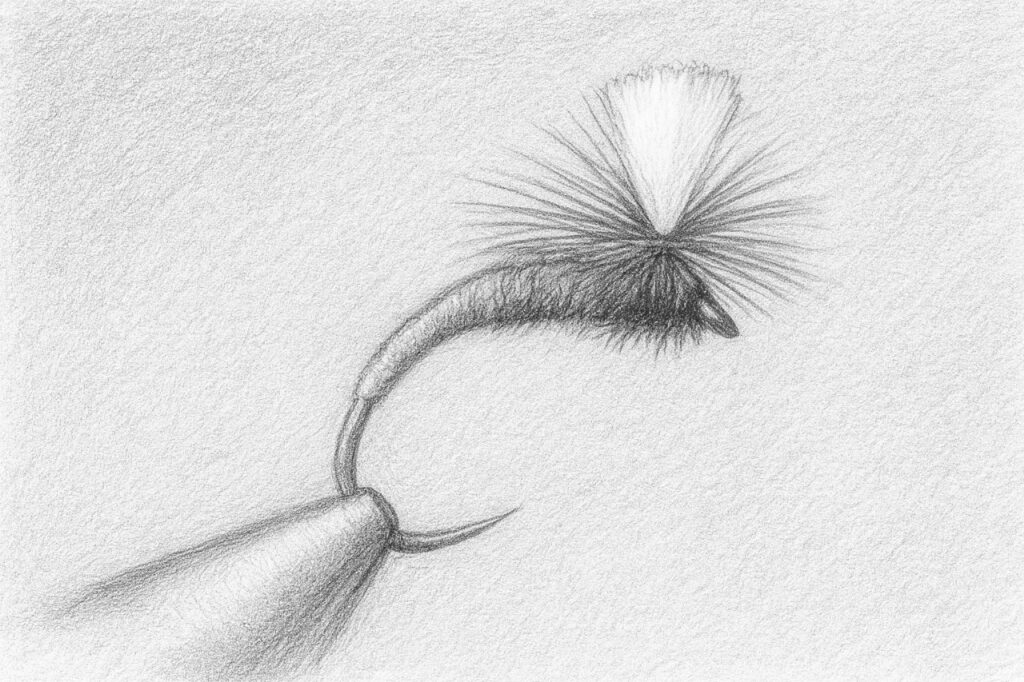
The Klinkhåmer, designed by Hans van Klinken, is a superb emerger pattern that sits half-submerged, imitating a hatching insect trapped in the surface film. Its unique posture and high-visibility post make it a deadly choice during emergence stages. Tied with a curved hook, dubbed body, parachute hackle, and a white or colored post for visibility, it rides perfectly in the surface, enticing trout feeding just below the film.
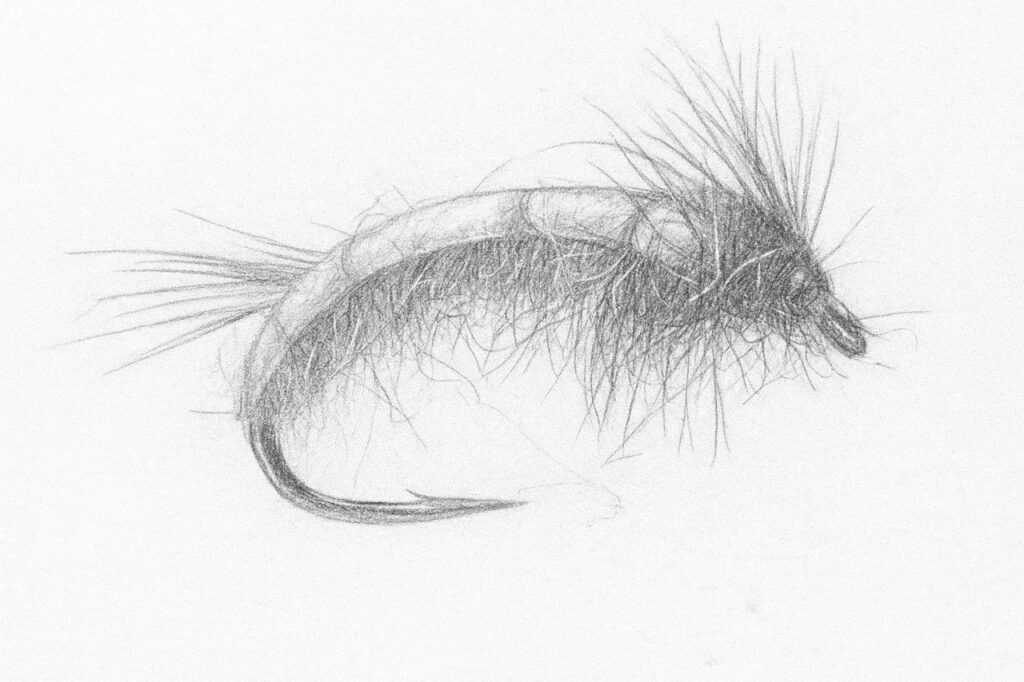
The Caddis Pupa is an essential subsurface pattern that imitates the emerging stage of the caddisfly, a favorite food source for trout. Its natural, slightly curved body and subtle movement make it especially effective during hatches. Tied with a curved hook, dubbed or synthetic body, fine ribbing for segmentation, soft hackle for legs, and a touch of sparkle or wing case, it drifts naturally through the water column, triggering confident takes.
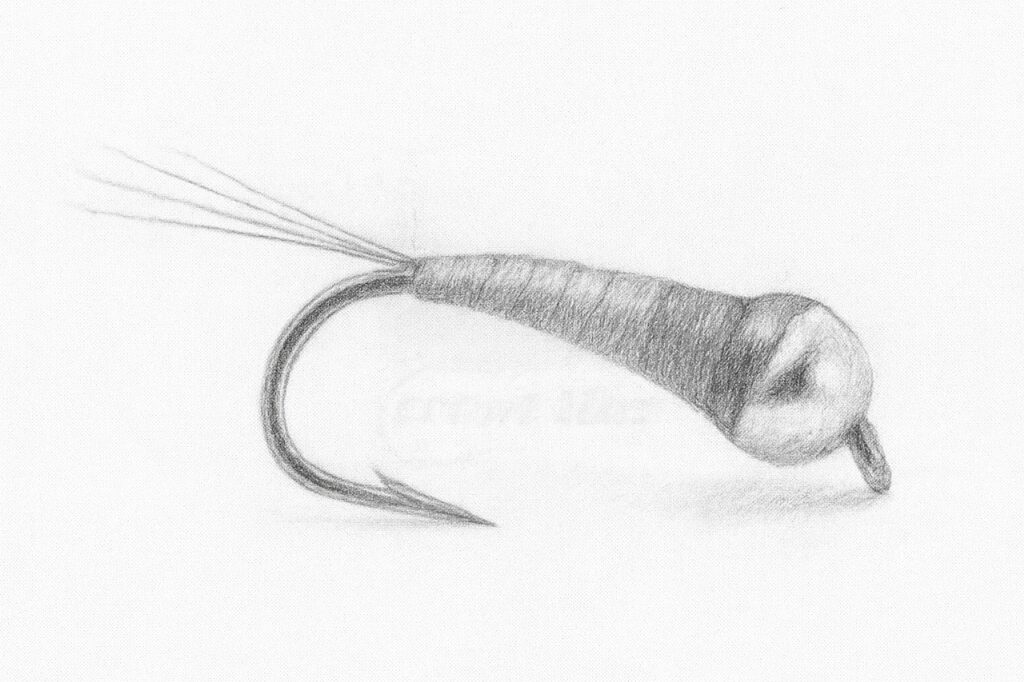
The Hot Spot Nymph is a highly effective modern pattern designed to grab attention and provoke strikes. Its slim, streamlined body sinks quickly, making it ideal for Euro nymphing or deep-water presentations. Tied with a tungsten bead head, fine thread or synthetic body, subtle tail fibers, and a bright fluorescent hot spot near the thorax, it combines simplicity with deadly efficiency — perfect for fast currents and selective trout.
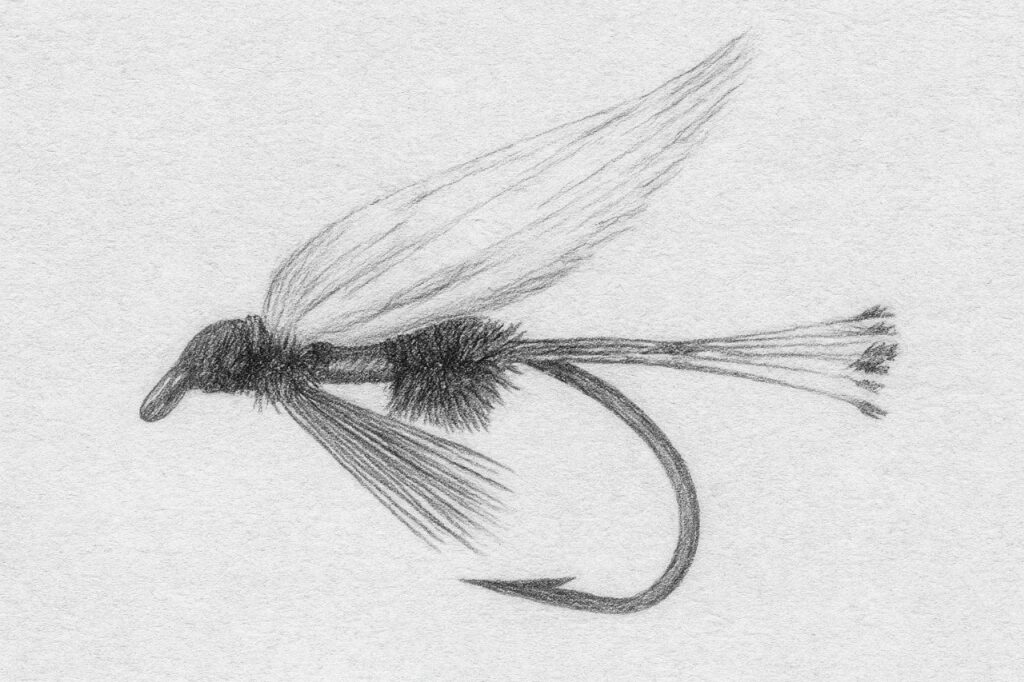
The Royal Coachman is a timeless and ornate pattern, renowned for its effectiveness and beauty. Its bright body and balanced profile make it a standout attractor fly, enticing fish in both still and moving water. Traditionally tied with a peacock herl and red floss body, brown hackle, gold ribbing, white quill or duck wings, and a golden pheasant tail, it’s a true classic that continues to inspire confidence wherever trout rise.
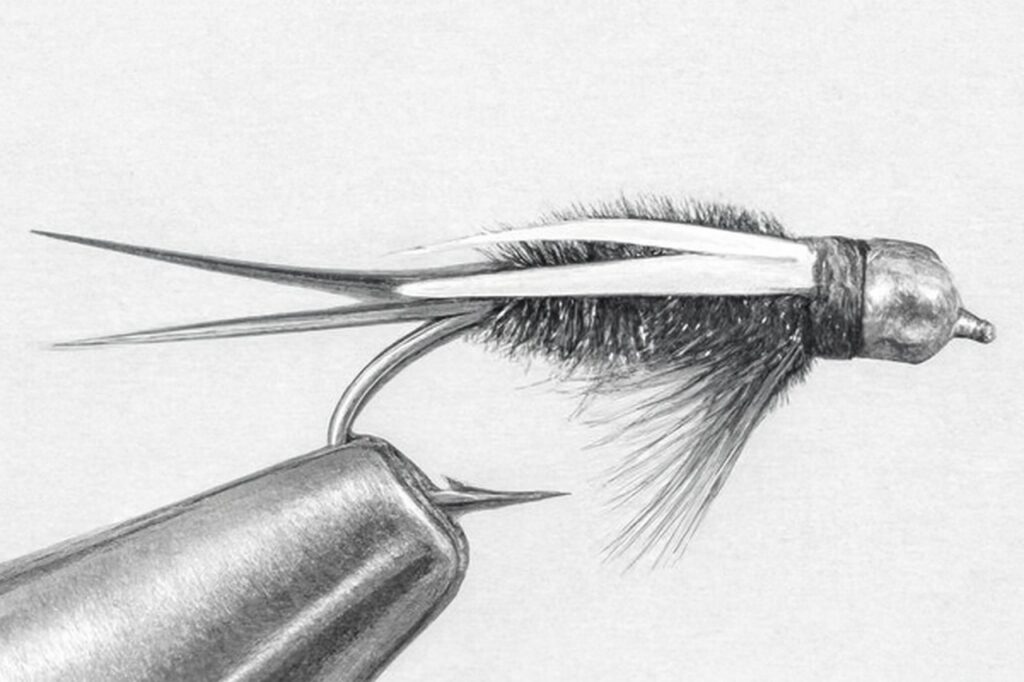
The Prince Nymph is one of the most popular and productive nymphs ever tied. Designed as an attractor rather than an exact imitation, it works in nearly all conditions and water types. Tied with brown goose biot tails, a peacock herl body, gold wire rib, white goose biot wings, and a soft hackle collar, often finished with a bead head for weight, it’s a proven pattern that consistently takes trout year-round.
Lorem ipsum dolor sit amet, consectetur adipiscing elit. Ut elit tellus, luctus nec ullamcorper mattis, pulvinar dapibus leo.
